York Hall removals guide for market and event days
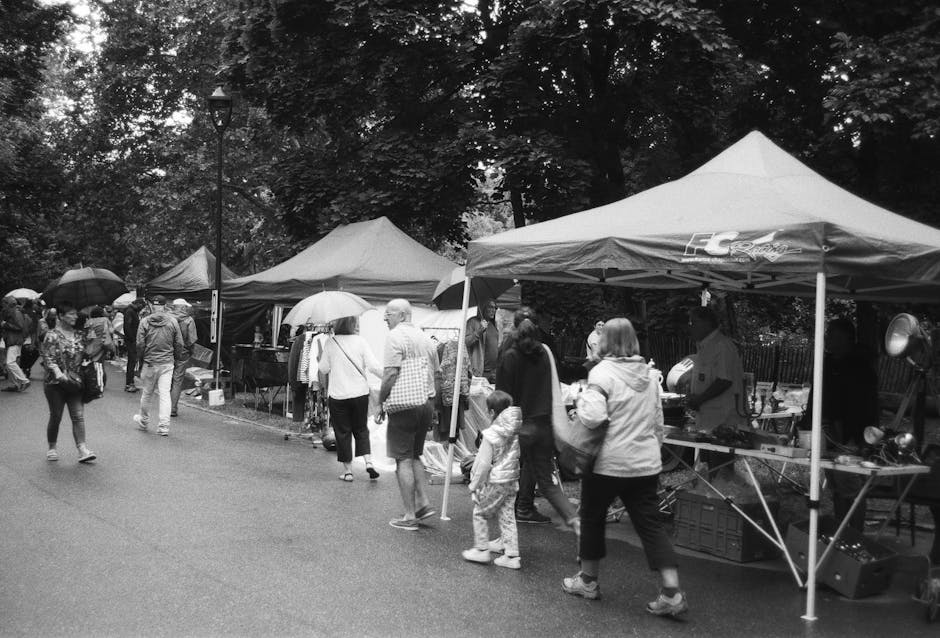
If you need to move near York Hall on a market day or during an event, the biggest challenge is usually not the lifting. It is the timing. Roads feel busier, parking gets tighter, and even a short trip can turn into a stop-start crawl if you pick the wrong window. This York Hall removals guide for market and event days breaks down how to plan a move that stays calm, efficient, and realistic for the area.
Whether you are shifting a flat, moving a few bulky items, or booking a man and van for a same-day job, the goal is the same: avoid the squeeze that comes with local footfall, delivery traffic, and event spill-over. Below you will find practical steps, local advice, and the kind of detail that helps on the day. Truth be told, a little planning here saves a lot of shouting later.
For anyone arranging a local move, it can also help to look at broader support such as man and van services in Bethnal Green, full removals in Bethnal Green, or even same-day removals in Bethnal Green if your timing is tight and the day is already getting away from you.
One thing to remember straight away: York Hall is not just any local landmark. On certain days, it behaves like a magnet for people, vehicles, and small disruptions that you only notice once you are already stuck in them. So let's map it out properly.
Table of Contents
- Why York Hall removals guide for market and event days Matters
- How York Hall removals guide for market and event days Works
- Key Benefits and Practical Advantages
- Who This Is For and When It Makes Sense
- Step-by-Step Guidance
- Expert Tips for Better Results
- Common Mistakes to Avoid
- Tools, Resources and Recommendations
- Law, Compliance, Standards, or Best Practice
- Options, Methods, or Comparison Table
- Case Study or Real-World Example
- Practical Checklist
- Conclusion
- Frequently Asked Questions
Why York Hall removals guide for market and event days Matters
York Hall sits in a part of East London where space is already precious. Add a market day, a sporting event, a class schedule, a concert, or a private booking, and the usual street rhythm changes fast. That matters for removals because a move is not just about what fits in the van. It is about when the van can stop, where it can load, and how long the team can stay without creating a bottleneck.
On quieter days, you might be able to pull up, load steadily, and go. On busy days, the same address can become awkward. A loading space may be occupied. A road may feel narrower than it looked on the map. Pedestrian flow can make carrying furniture more complicated than the actual stairs inside the building. If you have ever tried to wheel a mattress past a queue of people on a damp London morning, you will know the feeling. Not ideal.
This is why local knowledge matters. In practice, the best removals around York Hall are often the ones that work around the area rather than against it. That can mean a slightly earlier start, a shorter waiting time, or splitting the move into a few well-planned loads. It may also mean being flexible with collection and delivery times. A good moving plan should respect the street, not fight it.
If you are decluttering before moving day, a guide like smart decluttering tactics for a smoother move can help you cut the load before you even arrive at the busy part of town. Less to carry usually means less stress, and around York Hall that can make a genuine difference.
How York Hall removals guide for market and event days Works
A York Hall move on a market or event day usually comes down to three things: access, timing, and handling. Access is whether the vehicle can get close enough. Timing is whether you can load without clashing with peak activity. Handling is how you move items safely through a busy environment without rushing.
Here is the practical version. First, you identify the day and time of your move. Then you check whether there are events, rehearsals, or market activity likely to affect the route. After that, you build your move around the least congested period. Sometimes that is early morning. Sometimes it is the middle of the day. And sometimes, to be fair, it is worth shifting the whole thing by a few hours if that means avoiding a parking headache.
A local removals team will usually think about the following:
- Vehicle access close to the property
- Stairwells, lifts, and doorway width
- Loading and unloading time
- Likely foot traffic near York Hall
- Whether bulky items need dismantling first
- Safe handling where the route includes kerbs, tight turns, or shared entrances
If the move includes awkward furniture, it can be worth reading about furniture removals in Bethnal Green before you book. And if a sofa is staying in storage for a while, this guide on hassle-free long-term sofa storage can save you from hidden damage later.
There is also a human side to this. On a busy day, communication matters more than usual. If the van is delayed by five or ten minutes because a route has slowed down, everybody needs to know. Simple, but it stops the whole day from feeling chaotic.
Key Benefits and Practical Advantages
Planning a removal around York Hall's busy periods brings a few clear advantages. Some are obvious, others only become obvious after you have done one move the hard way.
| Benefit | What it means in practice | Why it matters near York Hall |
|---|---|---|
| Less waiting time | The van can load and unload more efficiently | Busy roads and pedestrians can create delays quickly |
| Safer handling | Teams can move at a steady pace, not a rushed one | Rushing through tight spaces increases the chance of knocks and slips |
| Better parking decisions | You can choose a realistic stop point | On event days, the nearest space is not always the best space |
| Reduced stress | You are not reacting to every small delay | Local congestion feels worse when you did not plan for it |
| Cleaner handover | Move out, move in, or storage transfer happens more smoothly | Important if a property checkout or building access slot is fixed |
A strong plan also helps if you are coordinating other services. For example, if you need to store a bed, cupboard, or spare boxes between tenancies, storage in Bethnal Green can be a useful bridge rather than trying to force everything into one hectic day.
The other benefit people sometimes miss is confidence. When you know the timing, route, and item list are under control, the move feels lighter. Even a modest flat move can feel a lot less overwhelming. You start the day with a plan instead of a headache.
Who This Is For and When It Makes Sense
This guide is useful for a few different kinds of movers, and it is not just for people moving a whole house. In fact, some of the trickiest jobs near York Hall are the smaller ones, because people assume they will be simple. They are not always simple. Not on a busy event day, anyway.
- Flat movers who need to navigate tight streets, shared entrances, or limited parking
- Students moving belongings around term changes or weekend turnaround windows
- Families with a full van load and a school-run-style timetable to work around
- Office or studio operators needing equipment moved without disrupting the working day
- People with a few bulky items such as wardrobes, mattresses, or pianos
- Landlords and letting agents coordinating checkouts and check-ins between busy bookings
If you are moving from a compact home, flat removals in Bethnal Green may be the closest match to your situation. If you are dealing with a smaller job and need flexible transport, a man with a van in Bethnal Green can be a practical fit. And if your move is part of a bigger property change, house removals in Bethnal Green gives a better sense of how a fuller service is usually structured.
When does this kind of planning make the most sense? Usually when your move falls on a Saturday, during a local event, near a school run window, or when you simply cannot afford a long delay. If the keys are being handed over that afternoon, timing becomes everything. There is no glamour in that, just reality.
Step-by-Step Guidance
A good move near York Hall is usually won before the van arrives. Here is the simplest way to structure it.
1. Check the day for local pressure points
Start by identifying whether your move date overlaps with a market day, event day, or nearby activity that could affect loading. You do not need to overcomplicate this. A quick check with the venue schedule, local knowledge, or your mover's advice is usually enough.
2. Decide what must move first
List the essentials and the bulky items. Beds, sofas, wardrobes, fridges, boxes of books, TV units, plants, bikes. The big items determine the vehicle space more than the smaller ones do. If you need a hand with a mattress, this bed and mattress moving guide is useful before you start dismantling anything.
3. Pack with the route in mind
Pack so the first items off the van are easy to identify. Label boxes clearly. Keep screws, bolts, and shelf fixings together. If you want a stronger packing routine, packing and boxes in Bethnal Green can help you think about materials as well as method.
4. Reserve time for loading
On a quiet street, people often underestimate loading time. Near York Hall, that mistake is even more common. Add extra time for stairs, short holds at the entrance, or waiting for a space to become available. The move always takes longer if every minute has to be invented on the spot.
5. Use the right lifting approach
Heavy lifting should never rely on guesswork. If the item is awkward, uneven, or simply too heavy for one person, get help. The article on lifting heavy objects alone is worth reading, although the honest advice is this: if an item feels unsafe, do not hero it.
6. Confirm delivery timing
If you are delivering to a property elsewhere in London, agree the arrival window clearly. A missed slot can have a ripple effect, especially if you are also dealing with building access or a storage handover. The page on delivery at the best time for you is a good reminder that flexibility is often the difference between smooth and messy.
7. Leave a little breathing room
Build in a cushion. Not a huge one, just enough to absorb the little things that happen on busy days: a delayed lift, a pedestrian crowd, a van needing a better stopping point. You cannot plan out every surprise, but you can reduce the damage they do.
Expert Tips for Better Results
There are a few local tricks that make a real difference around York Hall. None of them are dramatic, but they add up.
- Move earlier than you think you need to. Early starts are often calmer, especially before the street feels active.
- Keep the front door clear. A clutter-free entry speeds up loading and reduces trip hazards.
- Use a parking plan, not a hope. Hope is lovely in life. Less useful for removals.
- Take photos of fragile or high-value items before transport. This is handy for your own records and simply good practice.
- Wrap corners and edges. Door frames, table legs, mirror edges and drawer handles tend to suffer first in tight spaces.
- Have one person act as point of contact. Too many voices at the doorway can slow everything down.
If you are moving equipment for work, this is also where office removals in Bethnal Green can be more helpful than a generic moving service. Office jobs tend to need tidier sequencing, clearer labelling, and less improvisation. Same logic, different context.
A small but useful tip: keep a separate "first hour" bag with chargers, documents, kettle items, snacks, and the key things you need before the boxes are fully unpacked. It sounds obvious until you are standing in a new place, hungry, looking for a mug. Happens all the time.
Common Mistakes to Avoid
Most bad moving days are not disasters. They are just a series of small mistakes that were not corrected early enough.
- Booking without checking busy-day access. This is the big one. A time slot that works on a normal Tuesday may be awkward on a Saturday event day.
- Assuming parking will be easy. Near York Hall, that assumption can bite fast.
- Underestimating packing time. Packing badly at 10 p.m. often creates twice the work at 8 a.m.
- Forgetting building rules. Some properties have loading instructions, lift booking requirements, or noise expectations.
- Trying to move oversized items without help. A sofa that seems manageable in the living room becomes much less manageable on stairs. Funny how that works.
- Not labelling boxes by room. It slows unloading and makes the new place feel chaotic.
- Ignoring weather. A wet pavement or damp staircase changes how carefully you need to handle things.
If there is one mistake that creates the most frustration, it is assuming the area will "just be fine." Sometimes it is. Sometimes it really is not. Local conditions deserve respect, especially where footfall and traffic can shift quickly.
Tools, Resources and Recommendations
You do not need a van full of specialist gear to move well, but the right basics help a lot. Think of this as a practical kit rather than a shopping list for its own sake.
- Strong cardboard boxes in mixed sizes
- Wardrobe boxes for hanging clothes where useful
- Bubble wrap or paper for fragile items
- Packing tape and a decent tape gun
- Furniture blankets
- Ratchet straps or tie-downs for secure transport
- Marker pens and room labels
- Protective gloves for sharper or heavier jobs
- Furniture sliders for internal moves on flat flooring
For people who want a calmer packing process, these packing hacks are genuinely practical rather than just clever-sounding. And if you are trying to downsize before moving, moving house without the stress is worth a look for mindset as much as method.
If you are moving items into temporary holding, the way you package them matters. A bit of prep now avoids a damaged corner, a dusty sofa arm, or a fridge that was stored in a slightly awkward way. Not glamorous, but useful. Very useful.
Law, Compliance, Standards, or Best Practice
For a move near York Hall, the main compliance issues are usually practical rather than dramatic. That said, you should still think carefully about access, safety, and property rules.
Best practice usually includes:
- Using safe lifting methods and not overloading one person
- Keeping walkways clear during loading and unloading
- Respecting building management rules for lifts, entrances, and loading bays
- Avoiding obstruction of traffic or pavements where possible
- Checking whether your mover has suitable insurance and safety procedures
For general reassurance, it is worth reviewing insurance and safety information before booking. If you want to understand the wider service framework, the services overview is a useful place to compare what kind of help you actually need.
There are also straightforward consumer expectations around clear quotes, reasonable communication, and proper handling of goods. No need to make this more complicated than it is. Ask questions early, confirm the plan in writing where possible, and make sure you know what happens if timings change. A reputable mover should be comfortable explaining that clearly.
Options, Methods, or Comparison Table
There is no single "right" way to handle a York Hall move on a busy day. The best method depends on your load, your timing, and how much flexibility you have. Here is a simple comparison.
| Method | Best for | Pros | Trade-offs |
|---|---|---|---|
| Man and van | Smaller or medium moves, flexible timing | Quick to arrange, good for tight urban access | Less suited to very large full-house jobs |
| Full removals service | Larger homes, more furniture, more coordination | More support, better for complex loading | Usually needs more planning and may cost more |
| Same-day removals | Short notice or date changes | Fast response when plans shift | Less room to choose the perfect time |
| Storage-plus-move | Staggered handovers or delayed move-in dates | Reduces pressure on the moving day itself | Requires a second step for final delivery |
If you are not sure which option fits, a conversation with a local mover is usually the quickest way to narrow it down. A small job near York Hall might be perfect for a van and driver. A full flat clearance with furniture and boxes might need a more structured service. No shame in either one.
Case Study or Real-World Example
A practical example makes this easier to picture. Imagine a second-floor flat near York Hall, with a move-out booked on a day when the surrounding streets are noticeably busier than usual. The contents include a double bed, a sofa, six medium boxes, a bookcase, a washing machine, and a few kitchen items packed in a hurry.
At first glance, it looks straightforward. But the street has limited stopping space, and there is visible pedestrian traffic outside. So the move is split into a clear sequence: small boxes first, then the bed frame and bookcase, then the sofa, then the washing machine last after the route is checked. The team keeps one person at the entrance to guide loading and another inside to prevent bottlenecks on the stairs.
Because the plan accounts for the busier environment, the move does not become a drama. There is one short delay when a vehicle space opens late. Nothing breaks. Nobody panics. The kitchen kettle is unpacked first at the new place, which, honestly, is often the moment the whole day starts to feel better.
That kind of pacing is what makes local removals work. Not perfect conditions. Just a sensible plan and the patience to follow it.
Practical Checklist
Use this checklist the day before and on the morning of your move near York Hall.
- Confirm the move time and any flexibility window
- Check whether a market day or event may affect traffic or parking
- Make sure boxes are labelled by room
- Separate fragile, urgent, and essential items
- Disassemble bulky furniture where needed
- Protect floors, corners, and door frames
- Set aside tools, keys, chargers, and important documents
- Keep a contact number handy for the mover
- Clear a loading path from door to van
- Review any building rules or access instructions
- Have cashless payment details ready if required
- Check weather and plan covers for rain if needed
Quick takeaway: near York Hall, the smoothest removals are the ones that treat access and timing as part of the job, not an afterthought.
Conclusion
A York Hall move on a market or event day does not have to be complicated. It does, however, need a bit more thought than a standard off-peak move. If you plan around access, allow time for loading, label your items clearly, and keep the communication simple, you will make the day far easier on yourself.
The key is not to over-engineer it. Just work with the area, not against it. That alone removes a lot of friction. And if your move includes awkward furniture, short notice, or a tricky window around York Hall, getting the right local support can make the whole thing feel manageable rather than frantic.
Get a free quote today and see how much you can save.
If you are ready to arrange your move, start with a quick enquiry through our contact page and ask for a plan that fits your timing, access, and item list. Sometimes the best move is the one that feels quietly under control from the very beginning.
Frequently Asked Questions
Can I move on a market day near York Hall?
Yes, but it is usually better to plan carefully. Market activity can affect parking, loading access, and walking routes, so earlier or later time slots may work better than the busiest part of the day.
What is the best time of day for removals around York Hall?
There is no single answer, but quieter periods are usually easiest. Early morning often works well, although the right window depends on the specific route, building access, and whether any local events are happening.
Do I need a man and van or a full removals service?
That depends on the size of the move. A man and van suits smaller loads, student moves, and flexible local jobs. A full removals service is usually better for larger homes, multiple bulky items, or more complex access.
How do I avoid parking problems near York Hall?
Check the route in advance, allow extra time, and choose a vehicle stop point that is realistic rather than idealised. It also helps to speak with your mover about the closest safe loading spot, not just the nearest one.
What should I pack first for a busy-day move?
Pack non-essentials first, then label everything by room. Keep important items, documents, chargers, and a small overnight bag separate so you are not rummaging through boxes at the new place.
Is it worth booking storage if my moving day is awkward?
Often, yes. If your move-out and move-in dates do not line up neatly, short-term storage can reduce pressure and make the day much simpler. It is especially useful for furniture and larger household items.
Can I move a sofa or mattress through a busy area safely?
Yes, but only if you plan the route and have enough help. Sofas and mattresses are awkward in tight or crowded spaces, so wrapping, carrying position, and timing all matter more than people expect.
Should I dismantle furniture before the move?
In most cases, yes for larger pieces. Dismantling beds, tables, and some shelving units makes loading easier and reduces the chance of damage. Keep all screws and fittings in labelled bags.
What if my move runs late because of local traffic?
Build in a buffer from the start and keep your mover informed. If delays happen, a good plan is to adjust the loading order rather than rushing everything at once. A calm response usually prevents bigger problems.
How do I know if a moving company is reliable?
Look for clear communication, transparent pricing, sensible safety practices, and a willingness to explain the process. It is also sensible to check insurance and service details before you book.
Can this guide help with student or flat removals too?
Absolutely. The same logic applies to compact moves, student turns, and flat removals: plan access, reduce clutter, pack well, and keep the schedule realistic. In a busy local area, small moves still need proper planning.
What is the biggest mistake people make on event days?
Assuming the day will behave like a normal one. Event traffic and market activity can change access very quickly, so the safest approach is to expect a slower pace and build your move around that.